Press Release
Washoe County sites to implement innovative toolkit
In recognition of National Homeless Youth Awareness Month, the NCJFCJ, the nation’s oldest and largest judicial membership and education organization, announced the launch of its pilot program aimed at addressing homelessness among youth involved in the juvenile and family justice system.
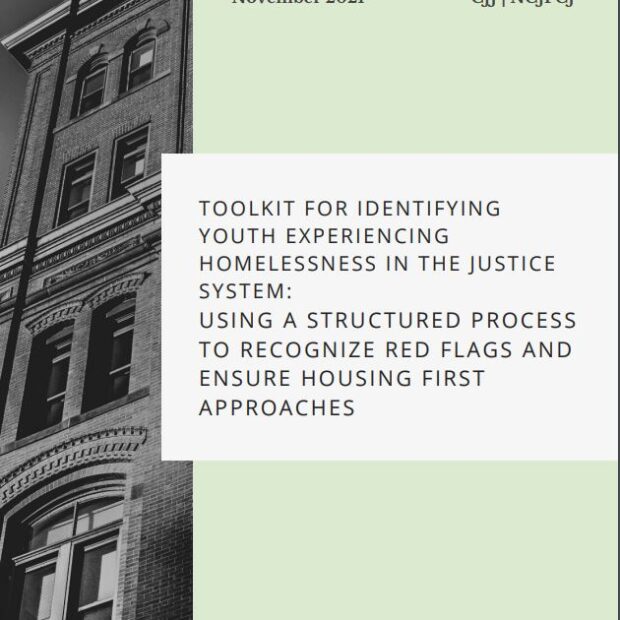
The effort builds on the NCJFCJ’s groundbreaking publication, “Toolkit for Identifying Youth Experiencing Homelessness in the Justice System: Using a Structured Process to Recognize Red Flags and Ensure Housing First Approaches Funded by the State Justice Institute (SJI), the toolkit is now being implemented at three pilot sites: Washoe County Division of Juvenile Services, The Children’s Cabinet, and Eddy House. The initiative is supported by key community partners: The Children’s Cabinet, Communities in Schools, Washoe County Human Services Agency, and Eddy House.
“The NCJFCJ is proud to lead this important work in our hometown of Reno,” said Allison List, Ph.D., program director, behavioral health at the NCJFCJ. “This initiative demonstrates how locally-driven collaboration can inform national models. By strengthening how our community partners, especially our courts, identify and respond to youth experiencing homelessness, we are creating a pathway for other jurisdictions to follow.
The pilot sites are intended to help judges and community partners recognize warning signs of homelessness earlier, align supportive services, and reduce court involvement driven by poverty, housing instability, and hunger. The Washoe County Second Judicial District Court has played a key leadership role in applying the toolkit locally, fostering stronger connections between systems serving vulnerable youth.
“The consistent utilization of this toolkit transforms awareness into action,” said Elisha Harris, senior program manager for the NCJFCJ. “It bridges the gap between systems and services, ensuring that no young person facing homelessness falls through the cracks.”
The NCJFCJ’s toolkit provides judges and system partners with a structured process to recognize the often-hidden signs of homelessness among youth and families involved in the justice system. Through coordinated data collection and cross-agency collaboration, the approach promotes evidence-based decisions that connect families to housing and wraparound supports faster.
As the pilot continues, the lessons learned in Washoe County will help shape statewide and national strategies for preventing homelessness and improving outcomes for justice-involved youth.
“Every time this toolkit helps connect a young person to housing, education, or mental health support, we’re breaking a cycle and changing a life,” said List. “That’s the power of turning research into action.”