ICWA Blog
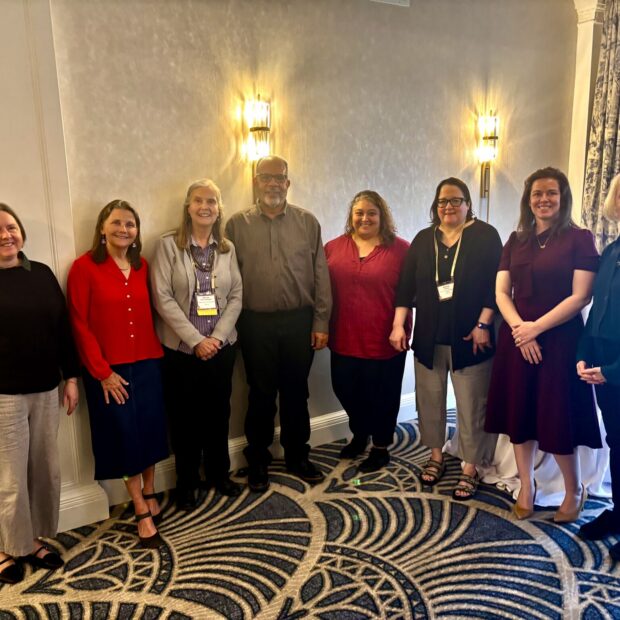
At the recent National Indian Child Welfare Association (NICWA) conference at the end of March in Oklahoma City, Oklahoma approximately 50 legal and court professionals gathered for a legal reception on the first day. NCJFCJ President Judge Kathleen Quigley shared
During the three day conference there were 4 presentations on ICWA Courts and their outcomes for Indian families.
During one presentation the question of “how do you define ICWA success?” was posed to the room of approximately 70 social workers, attorneys, and lived experienced professionals. Using AI there were three strong themes that emerged that can help ICWA Courts think about how to orient themselves to meet the needs of ICWA success:
1. Cultural Continuity and Relational Permanency
The most prominent theme is the non-negotiable link between a child’s safety and their cultural identity. Success is defined not just by the absence of harm, but by the presence of “connectedness.”
– Kinship as the Standard
– Culture as a Protective Factor
– Healing-Centered Reunification
2. Systemic Parity and Legal Accountability
This theme focuses on the “Gold Standard” of ICWA being applied consistently to eliminate the disparities that currently plague the system.
– Metric Parity
– Judicial Integrity
– Active Efforts Accountability
3. Relational Sovereignty and Collaborative Governance
Success is defined by the power dynamic between the State and the Tribe, moving toward a model where Tribes are co-leads in every case.
– A “Meaningful Seat at the Table”
– Collaborative Healing
– Parental Agency
ICWA Court hearing officers (l-r): Honorable Tiffany Underwood, Honorable Janet Bostwick, Honorable Donna Schmalberger, Honorable Chuck Whitehead, Honorable Lisa Gomez, Honorable , Honorable Nichole Gillette, Honorable Kathleen Quigley.