
Child Welfare and Juvenile Law
Key Initiatives
Child Abuse and Neglect
Explore
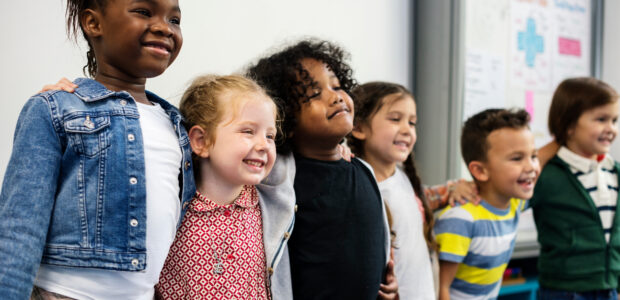
The NCJFCJ works to improve how courts handle child abuse and neglect cases by promoting trauma-informed, equitable, and family-centered practices. Through training, technical assistance, and research, the NCJFCJ supports judges and courts in making informed decisions that enhance child safety, promote family well-being, and achieve timely permanency for children in care.
Explore

Youth Justice Reform
Explore
Youth offenders are different from adults due to developmental differences, primarily in their brain, which are less developed in areas for impulse control and decision-making. This leads to a different legal approach as the youth justice system focuses on rehabilitation and the child’s potential for change. Youth may have the opportunity to receive services and become involved in alternative community programs rather than being confined and receiving only punitive approaches. Courts should respond differently when youth do harm and make mistakes and move toward more developmentally appropriate responses.
Explore

Indian Child Welfare Act (ICWA) Courts
Explore
The NCJFCJ supports courts and judges in upholding the Indian Child Welfare Act (ICWA) to ensure the rights of Native children, families, and tribes are protected. Through training, technical assistance, and resource development, the NCJFCJ helps courts implement ICWA effectively, promote culturally responsive practices, and strengthen collaboration with tribal courts and communities to preserve family and cultural connections.
Explore
Military-Connected Families
Explore
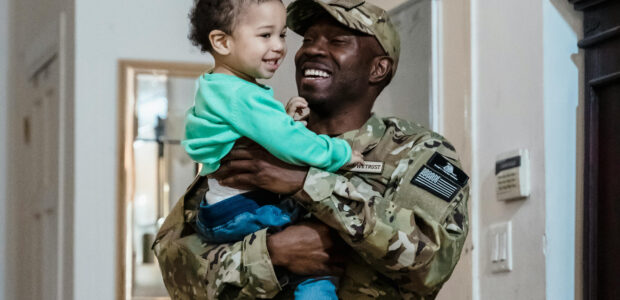
Recent overseas conflicts and repeated deployments have placed significant stress on military members and their families, affecting family stability and reintegration. Juvenile and family courts often see the impacts through cases involving domestic violence, abuse or neglect, custody, and child support, requiring them to navigate both civilian and military systems while considering factors such as the neurobiological effects of combat.
Explore

Resource Center for Courts on Child Trafficking
Explore
Child sex and labor trafficking occurs every day across the U.S., with those in the child welfare or juvenile justice systems at higher risk. The NCJFCJ equips courts to address the complex needs of these victims, emphasizing the critical role of judges and the importance of community and system collaboration to protect and support trafficked youth.
Explore

Animal Cruelty and Family and Interpersonal Violence
Explore
In 2019, NCJFCJ partnered with the Animal Legal Defense Fund (ALDF) and convened a group of judges to explore education and advocacy needed to assist judges in understanding the links between animal abuse and interpersonal violence and in responding appropriately to cases involving co-occurring animal and human abuse. The convening led to the creation of an ongoing the Judicial Response to Animal Cruelty Advisory Group and the development of publications, webinars, and other resources aimed at educating juvenile and family court judges on animal cruelty and its links to harms against humans and assisting courts in improving responses to families and their companion animals.
Explore

Youth Engagement for Legal Professionals
Take the Training
Children and youth are experts about their own lives. They need to be engaged as partners, especially in decisions related to legal, cultural and relational permanency. This requires a paradigm shift for child welfare courts and legal professionals in terms of training, policy and practice.
The QIC-EY Child and Youth Engagement Online Training for Legal Professionals will help to ensure that children and youth can partner safely and effectively in shared decision-making.
The QIC-EY Child and Youth Engagement Online Training for Legal Professionals will help to ensure that children and youth can partner safely and effectively in shared decision-making.
Take the Training